ILI Team Meets in Valencia to Review Progress and Engage with Innovation Stakeholders
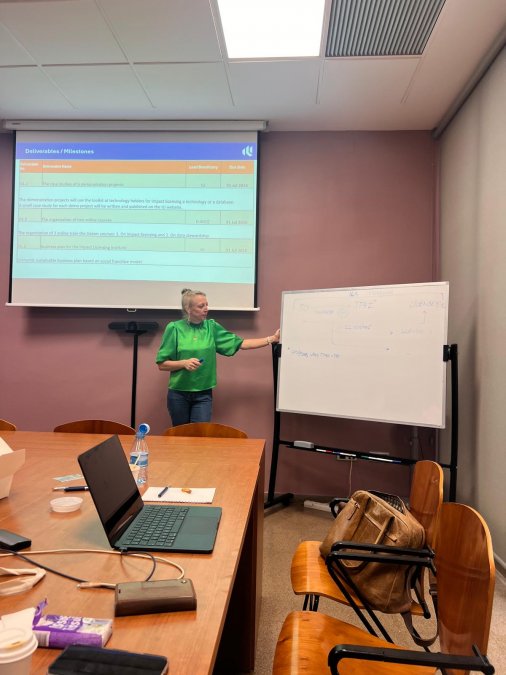
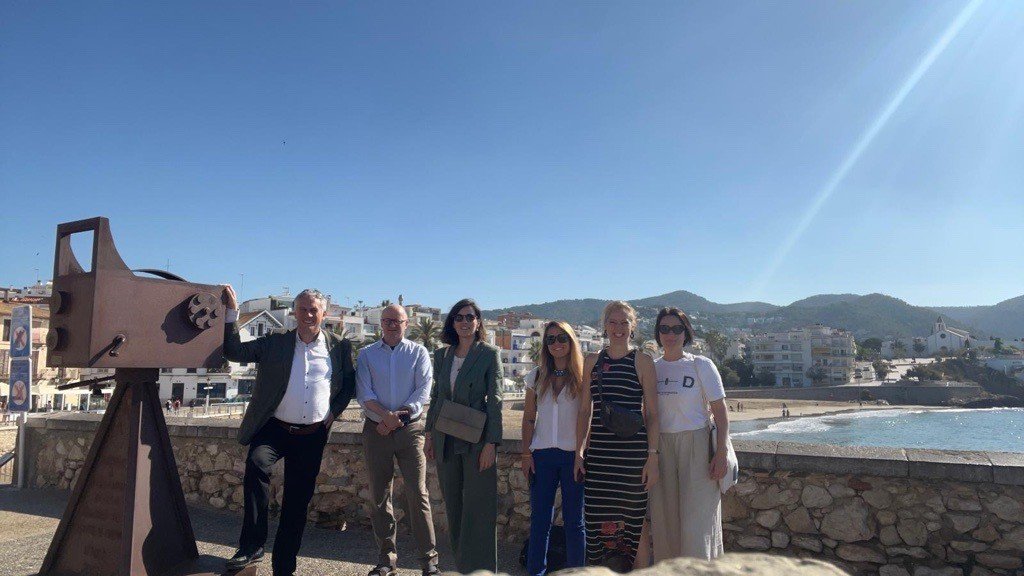
The Impact Licensing Initiative (ILI) team gathered in Valencia on 10–11 June for the project's third progress meeting. The meeting brought together consortium members to review ongoing activities, prepare upcoming project outputs, discuss the continued development of the Tech Transfer Facilities for Impact (TT4I) network, and engage with stakeholders working in technology transfer, innovation policy and climate innovation.
The first day focused on project implementation and planning for the next phase of activities. Partners reviewed upcoming deliverables, including technology case studies from the demonstration projects, additional technology screenings, and the development of impact licensing agreement templates. Discussions also covered training activities and the further expansion of the TT4I network, which currently brings together more than 20 organisations that are interested in applying and supporting impact licensing approaches.
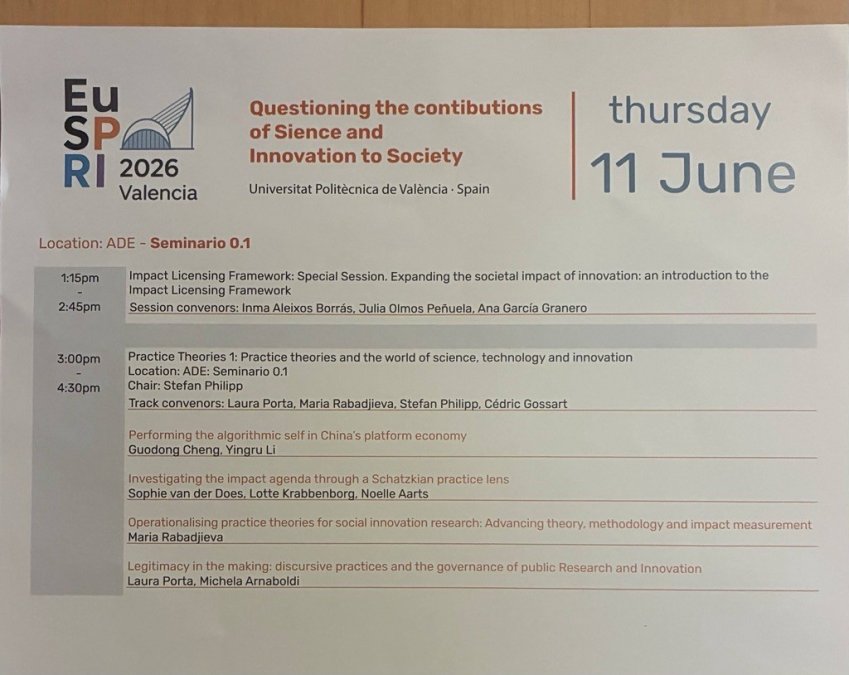
The second day combined conference participation with stakeholder engagement activities. At the Eu-SPRI Conference, Bruno Vandermuellen led a special session on impact licensing, presenting the Impact Licensing Framework and discussing how licensing strategies can support the wider use of research results, particularly in cases where societal needs are evident but market uptake remains limited. The session explored practical questions relevant to universities and technology transfer offices, including technology assessment, partner identification and the role of licensing in supporting both commercial and societal objectives. One of the discussions focused on a challenge frequently faced by researchers and research organisations: how to balance the goal of achieving societal impact with the need to protect and manage intellectual property. The exchange highlighted the practical importance of approaches that help organisations navigate both considerations within technology transfer processes.
Alongside the conference, consortium representatives met with experts from the Joint Research Centre (JRC) of the European Commission, the Technology Transfer Office, University of València, and stakeholders working on regional innovation initiatives. Discussions focused on technology deployment, innovation policy, regulatory experimentation, knowledge valorisation, and approaches that can support the adoption of technologies addressing societal and environmental challenges. The exchanges also provided an opportunity to discuss how impact licensing relates to broader policy and innovation frameworks.
On the last day the project team met with representative of the Climate Technology Centre and Network (CTCN). The meeting focused on identifying potential areas of cooperation between the organisations, particularly in relation to climate technologies, technology matchmaking, piloting and deployment activities in developing countries. The ILI team presented its approach to technology screening and impact assessment, while discussions explored how the expertise, networks and programmes of both organisations could complement one another and support future collaboration.
The discussions held during the week will inform the next phase of project activities, including the completion of upcoming deliverables, continued development of the TT4I network, and exploration of new collaboration opportunities with organisations active in technology transfer, innovation policy and climate innovation.