Connecting Innovation, Partnerships and Societal Impact: ILI's Recent Highlights
It has been a busy and inspiring autumn for the Impact Licensing Initiative (ILI)!
Over the past few weeks, the team has participated in several international events, connecting with technology owners, research organisations, innovation professionals and policymakers to explore how impact licensing can help translate research and innovation into meaningful societal and environmental benefits. From discussions on scaling technology transfer networks to exploring new models for technology access and financing, these exchanges have provided valuable opportunities to share experiences, build partnerships and advance ILI's mission of making innovation more accessible where it is needed most.
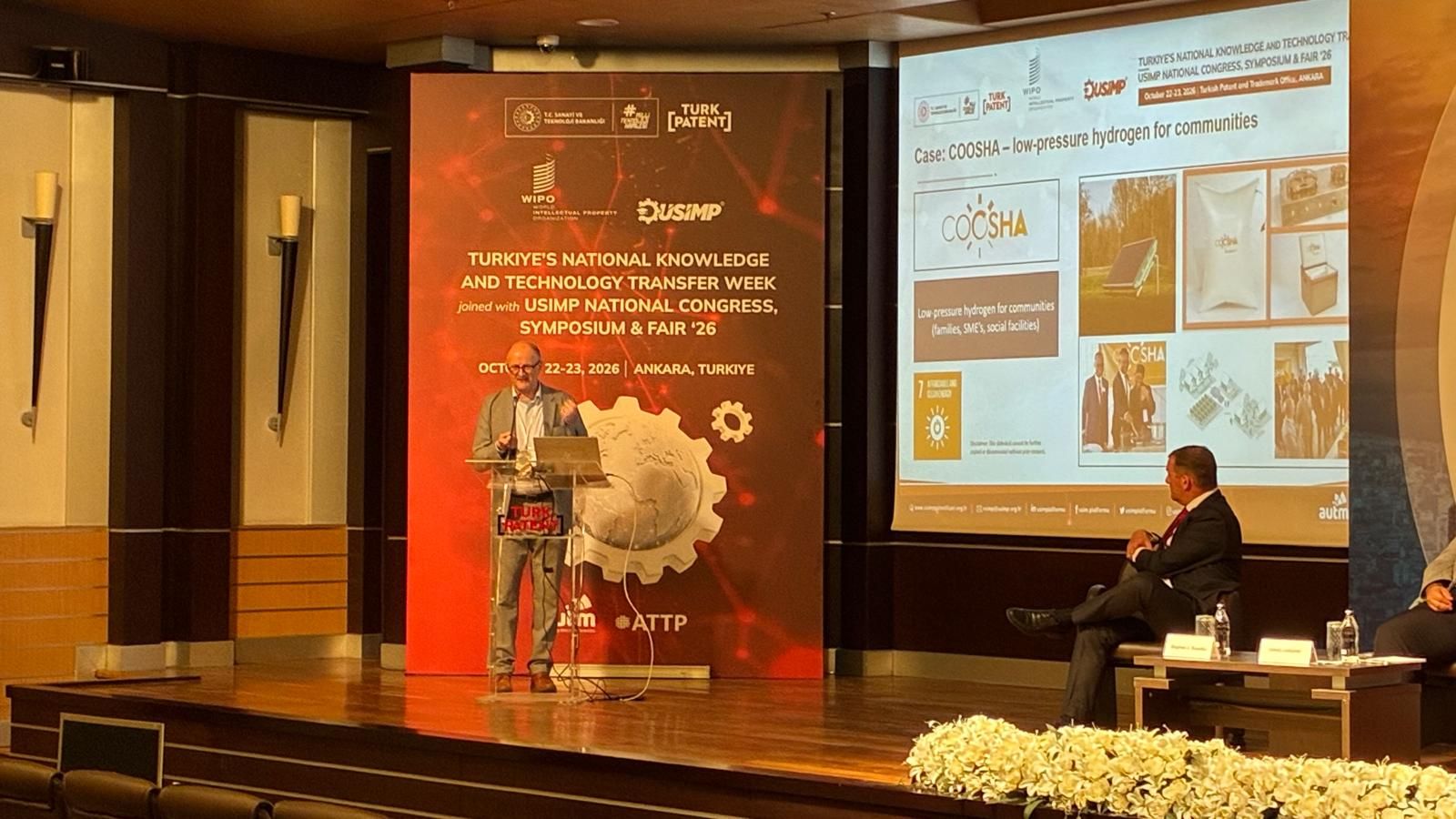
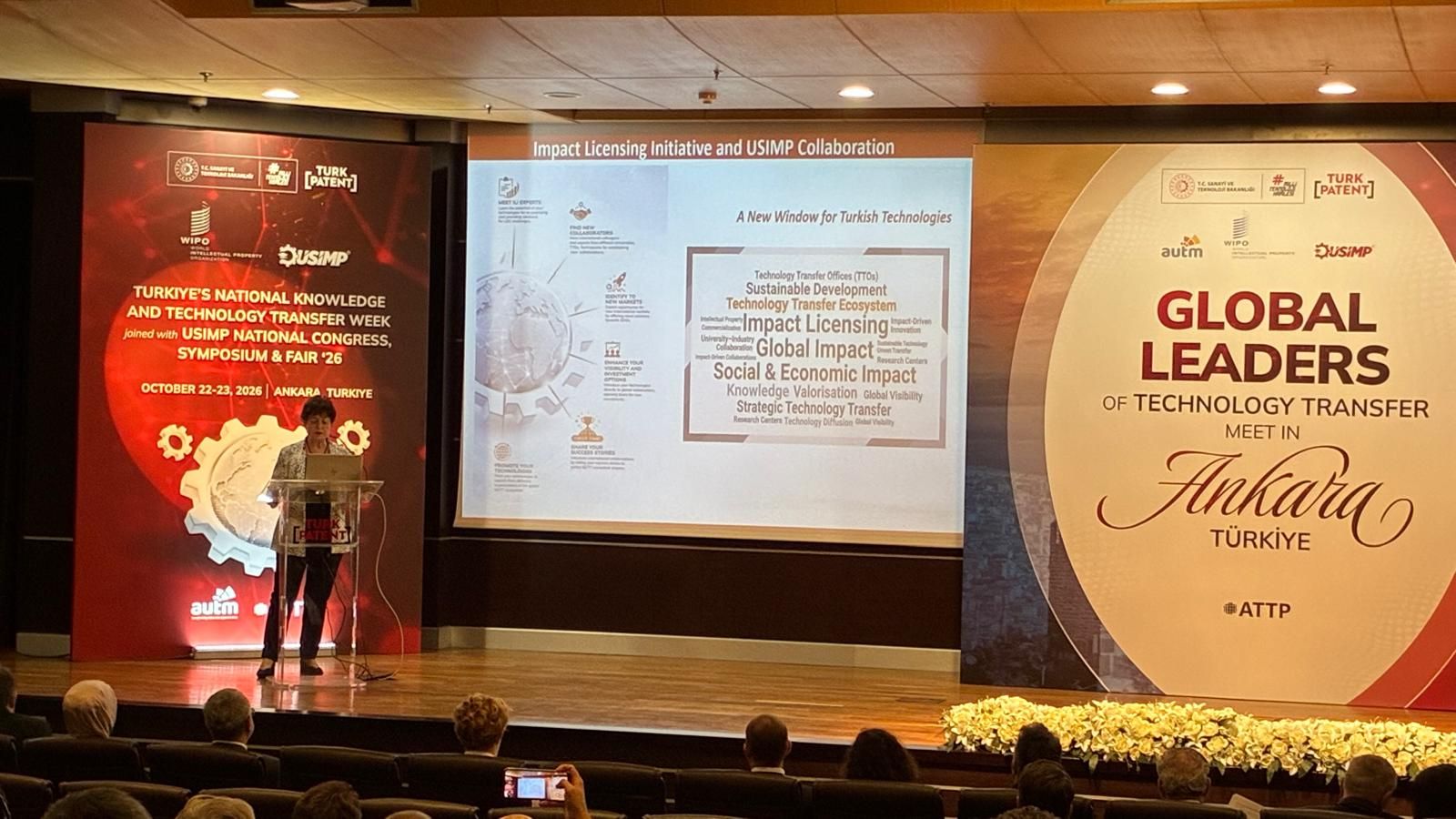
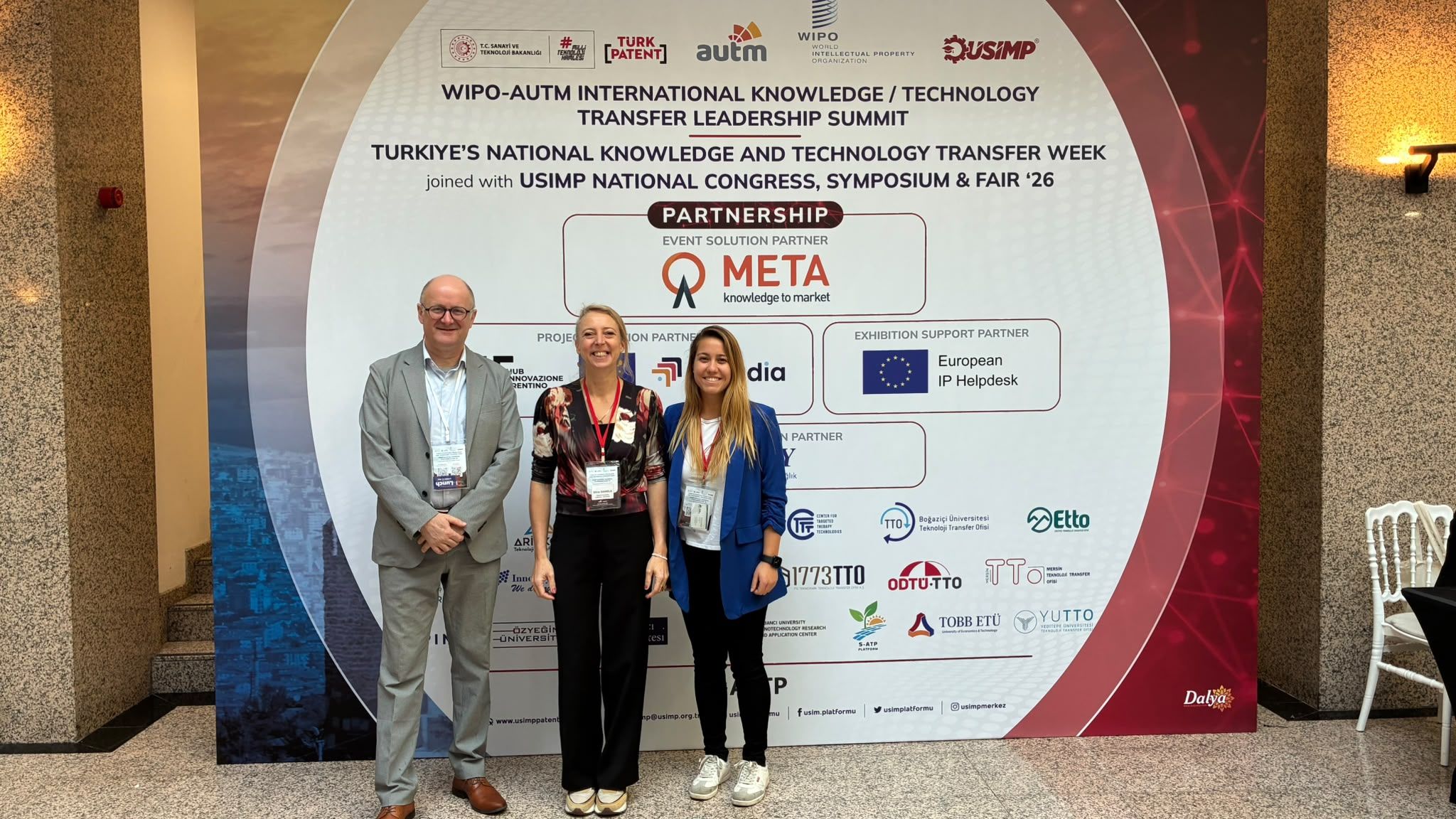
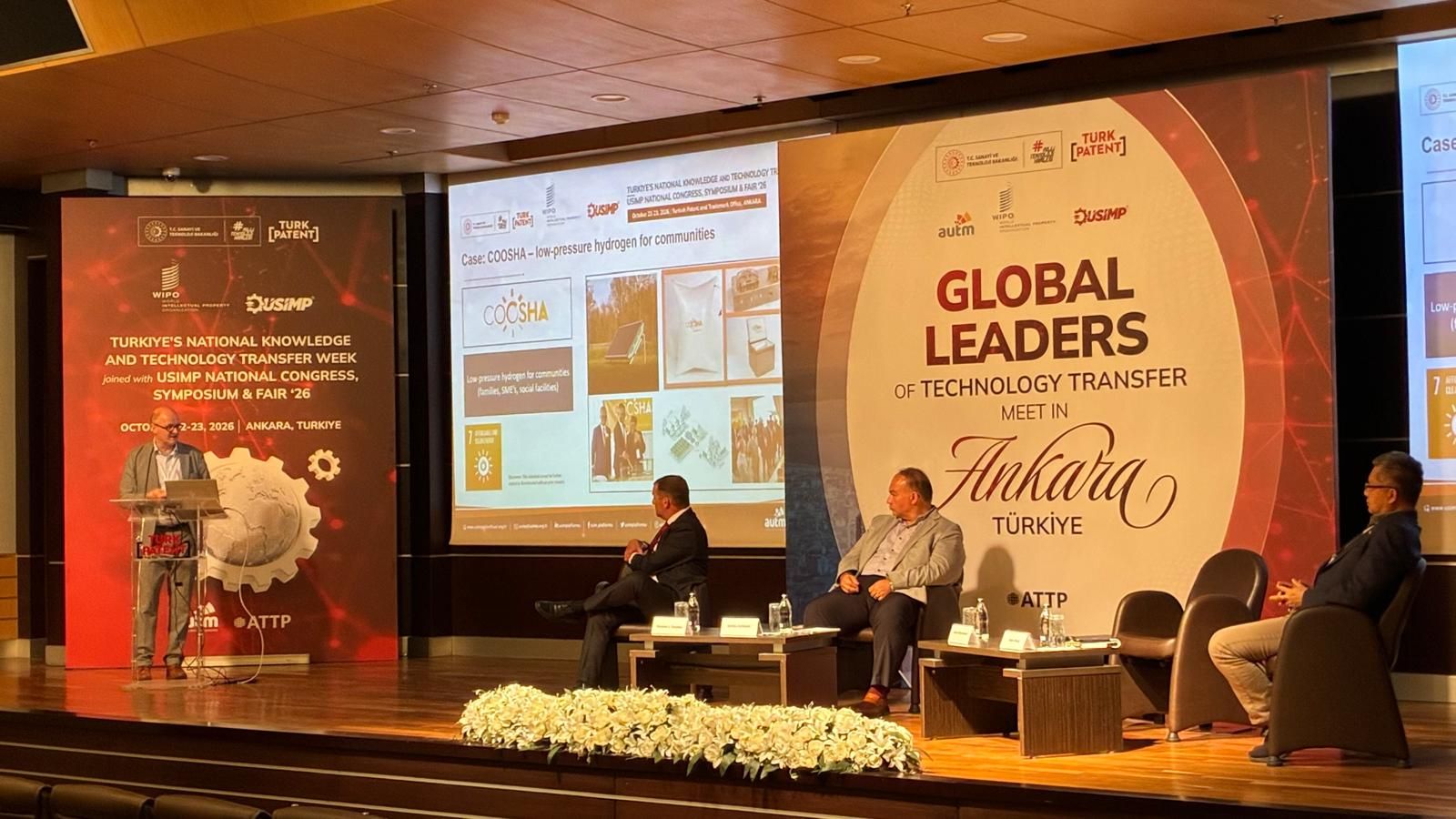
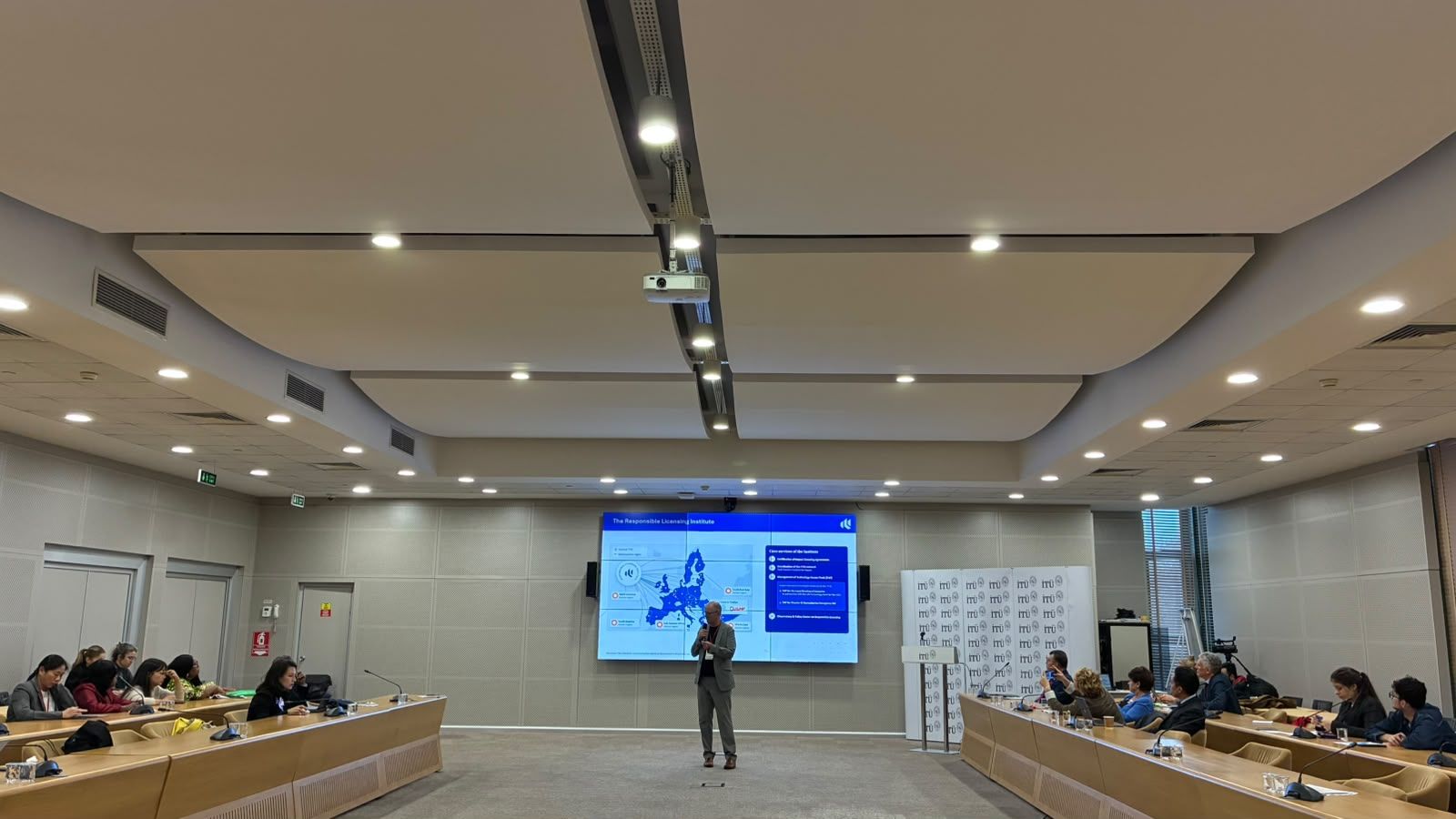
Strengthening Technology Transfer Connections in Türkiye On 22–23 October 2026, ILI participated in Türkiye's National Knowledge and Technology Transfer Week and the ÜSIMP National Congress and Symposium in Ankara. The event provided an opportunity to engage with the Turkish technology transfer community, connect with researchers and technology owners, and identify promising innovations for further screening and potential impact licensing opportunities.
Johan Moyersoen, Founder and General Manager of ILI, contributed to the panel discussion “Scaling Regional Efforts for Global Impact”, alongside international experts including Daniel Dardani from Duke University's Office for Translation & Commercialization and AUTM Chairperson-Elect, Alwin Wong, Chair of the Alliance of Technology Transfer Professionals (ATTP), and Stephen Susalka, CEO of AUTM. The discussion explored how regional technology transfer ecosystems can strengthen their international connections, share expertise and develop approaches that enable research results to generate impact beyond their immediate institutional or geographical environments.
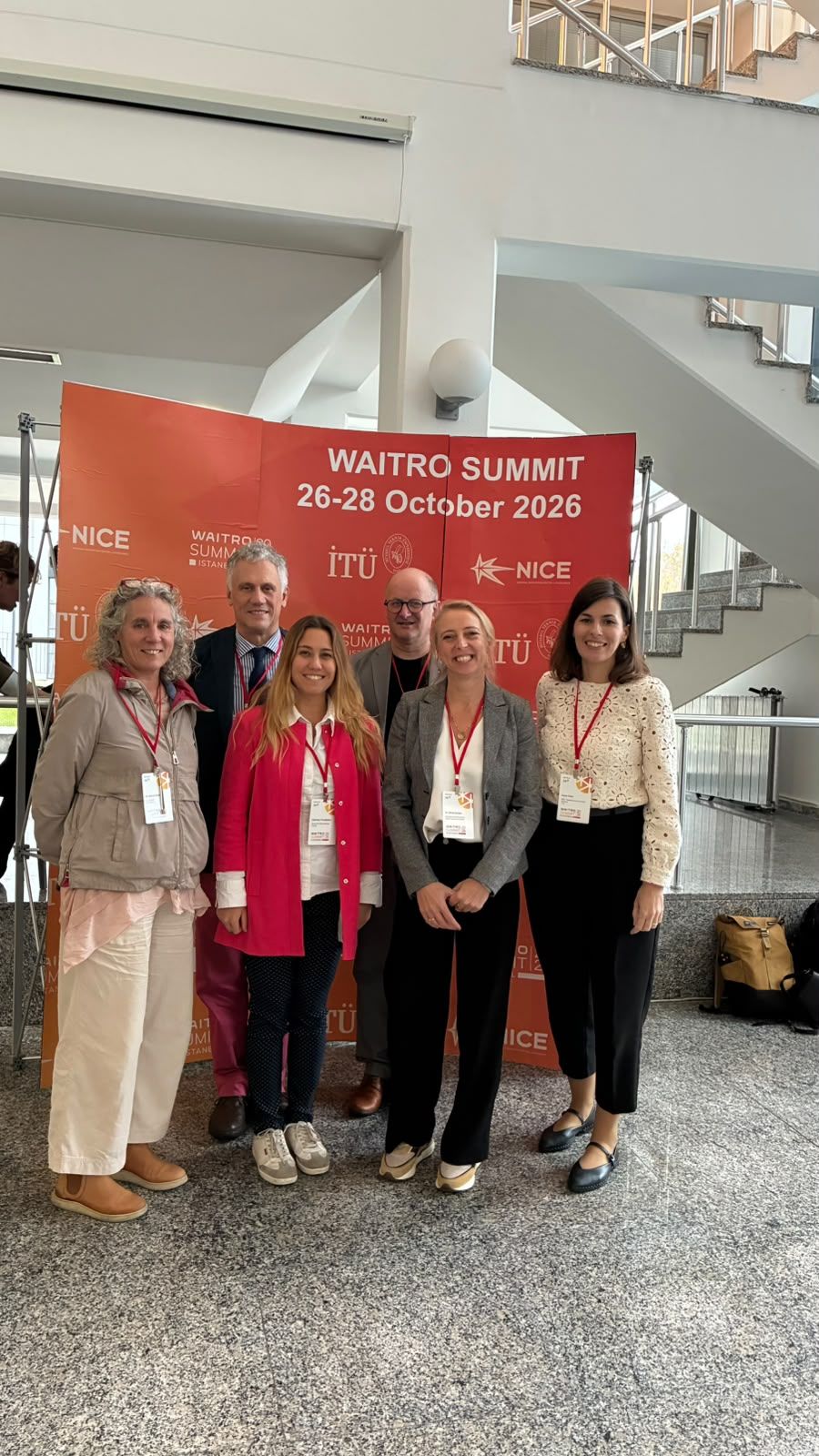
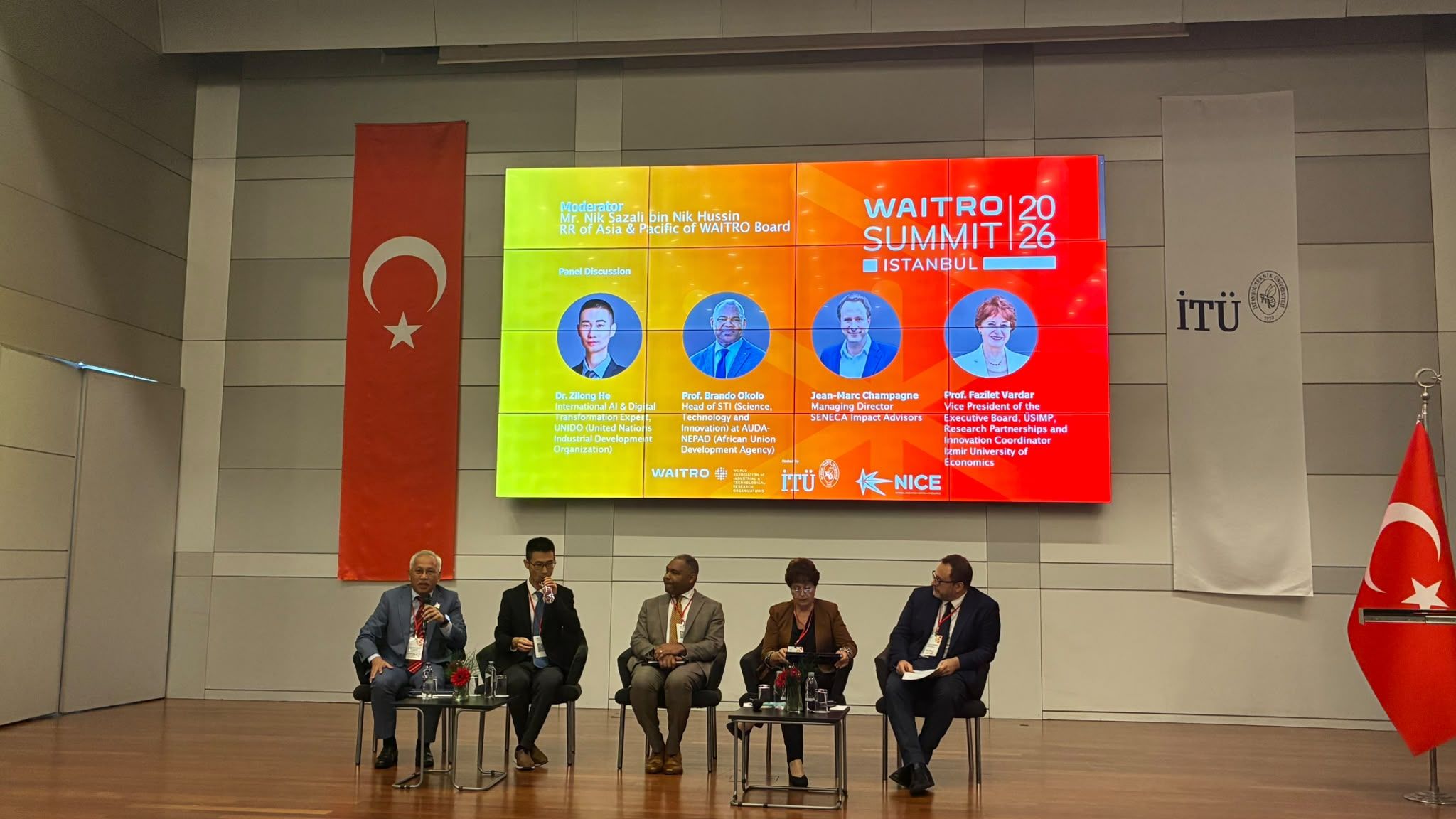
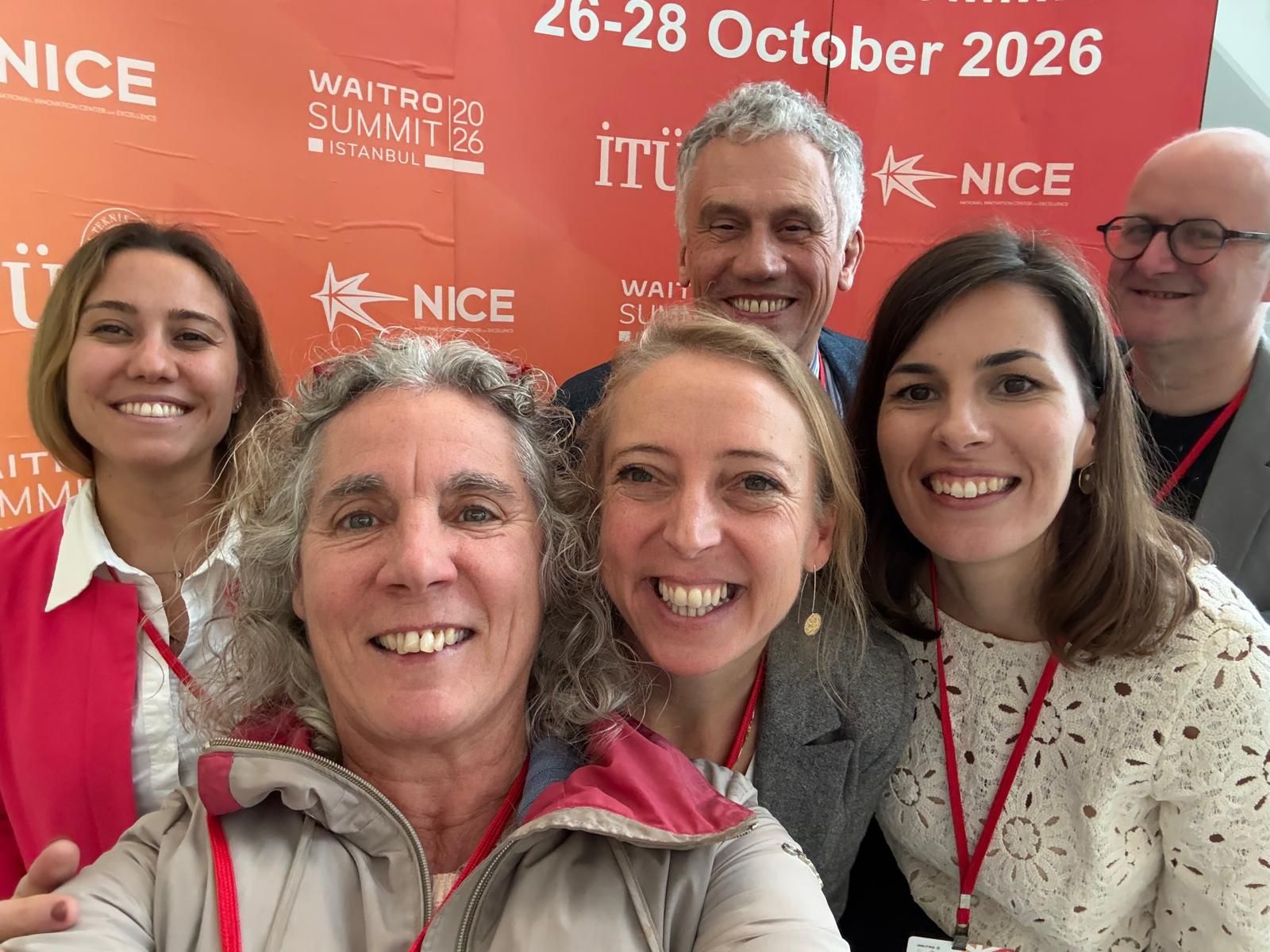
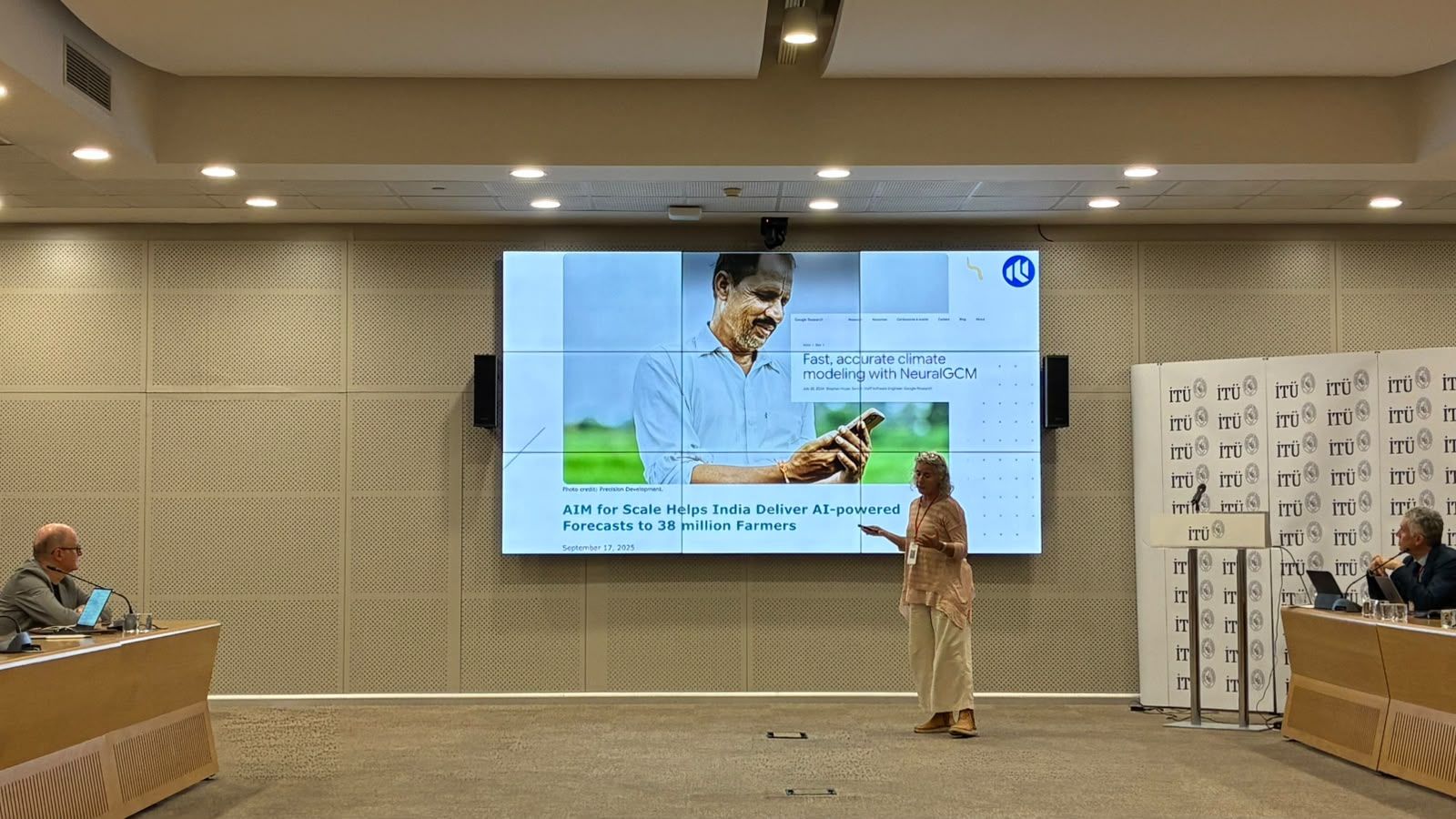
Advancing Global Collaboration at the WAITRO Summit From 26–28 October, the ILI team continued its international engagement at the WAITRO Summit, which connected research and technology organisations, universities, industry representatives, policymakers and innovation partners from around the world. With a strong emphasis on collaboration and practical solutions, the Summit explored how research and technology organisations can contribute to the United Nations Sustainable Development Goals (SDGs), particularly through international partnerships and climate action. ILI contributed to two sessions addressing complementary dimensions of sustainable technology transfer. The first, “Establishing a Global Technology Transfer for Impact (TT4I) Network for Societal Valorisation of Science, Technology and Innovation”, explored the role of TT4Is in connecting research capabilities with societal needs.
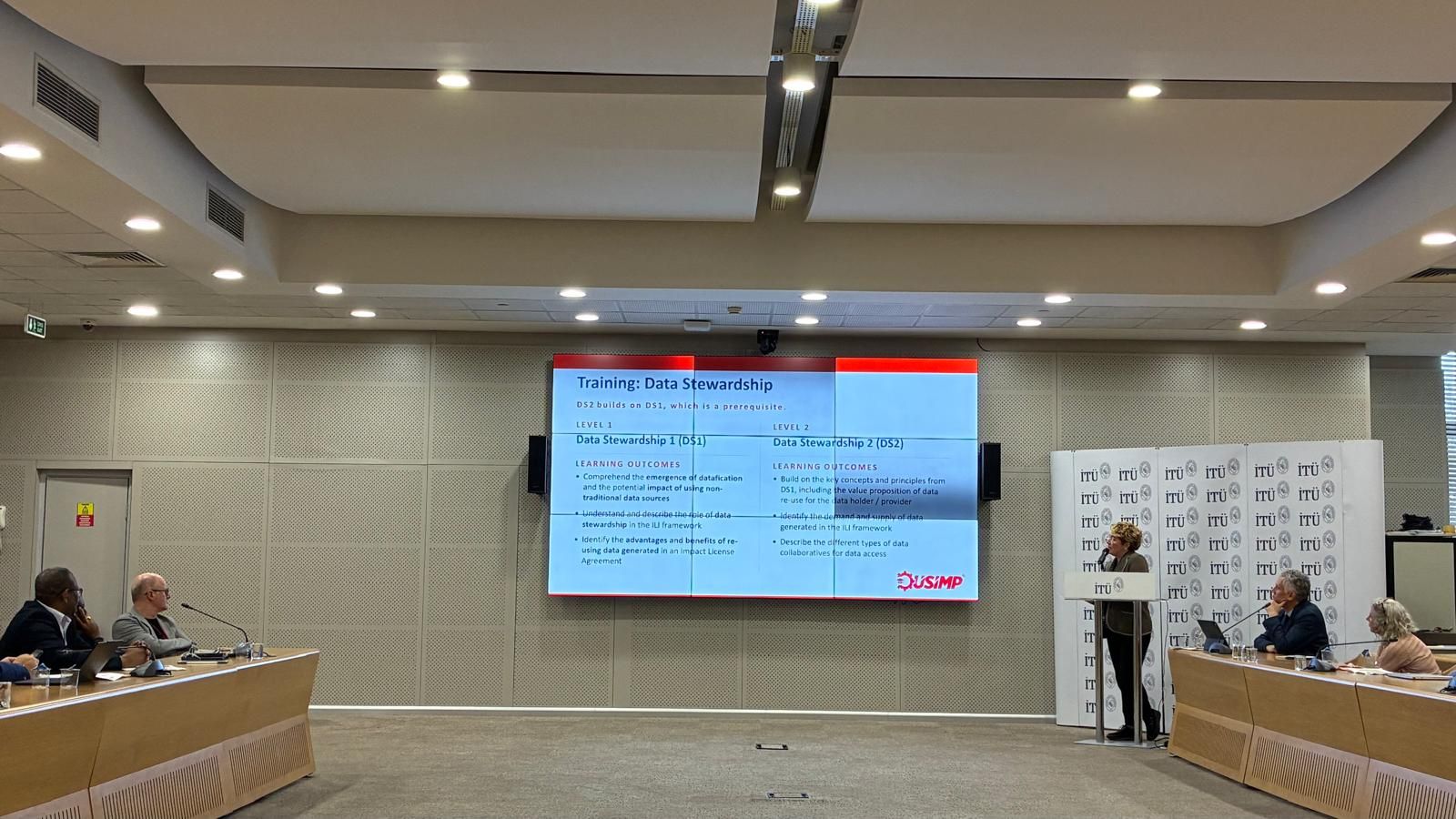
Moderated by Bruno Vandermeulen, the panel featured contributions from Silvie Daniels, Cemresu Yücebalkan, Ivana Vuka, Fazilet Vardar Sukan and Ahu A. Uncuoglu, sharing practical experiences and perspectives from Croatia, Türkiye and Germany. Marta Poblet Balcell added an important dimension to the discussion by highlighting the role of data stewardship in responsible technology transfer. The exchanges demonstrated the potential of the TT4I Network to strengthen collaboration among technology transfer professionals, facilitate knowledge sharing and support the adoption of impact-oriented licensing practices across different innovation ecosystems.
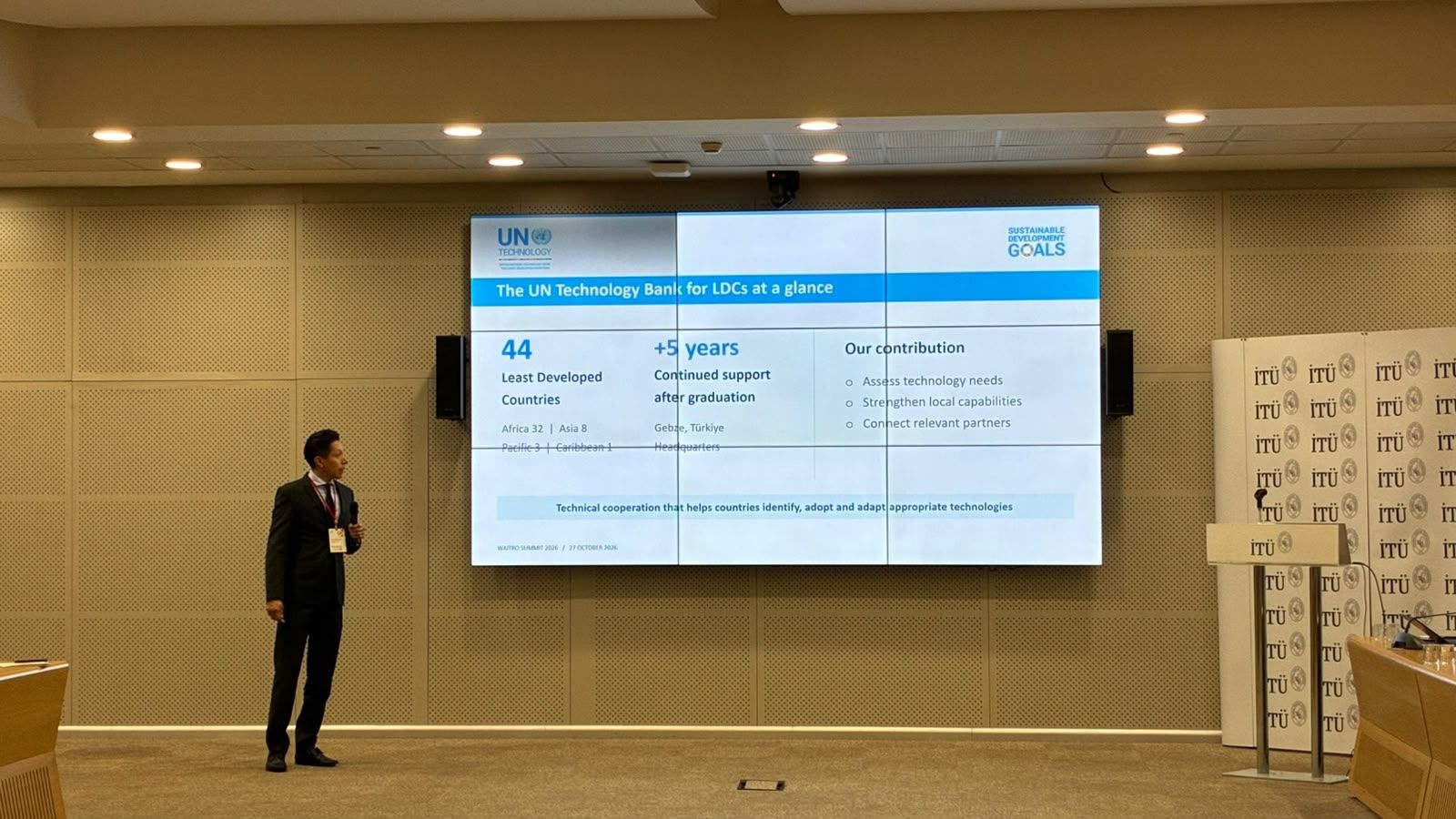
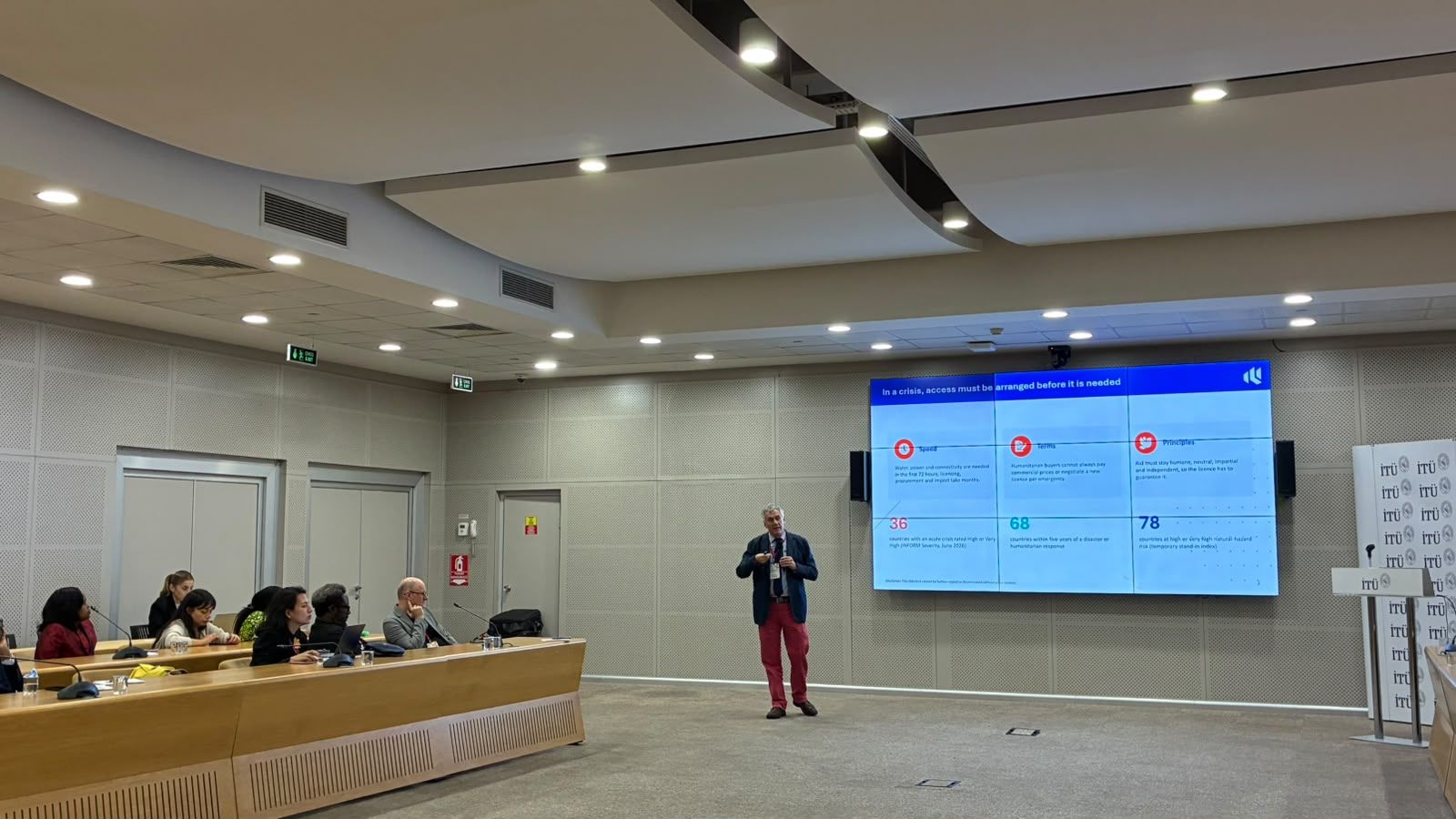
The second session, “Technology Access Pools for LDCs and Humanitarian Contexts for the UN SDGs – A Global Dialogue”, focused on how collaborative licensing and technology access mechanisms can help address global development challenges. Johan Moyersoen and Bruno Vandermeulen, together with Alberto Medina, Economic Affairs Officer at the UN Technology Bank for the Least Developed Countries, discussed opportunities for making technologies more accessible in least developed countries and humanitarian contexts. The session highlighted the importance of moving beyond conventional technology transfer arrangements towards approaches that consider affordability, accessibility, local implementation capacities and long-term sustainability. Together, the two sessions reinforced a central message: international cooperation and responsible licensing can help create the conditions for technologies to reach communities and markets that might otherwise remain underserved.
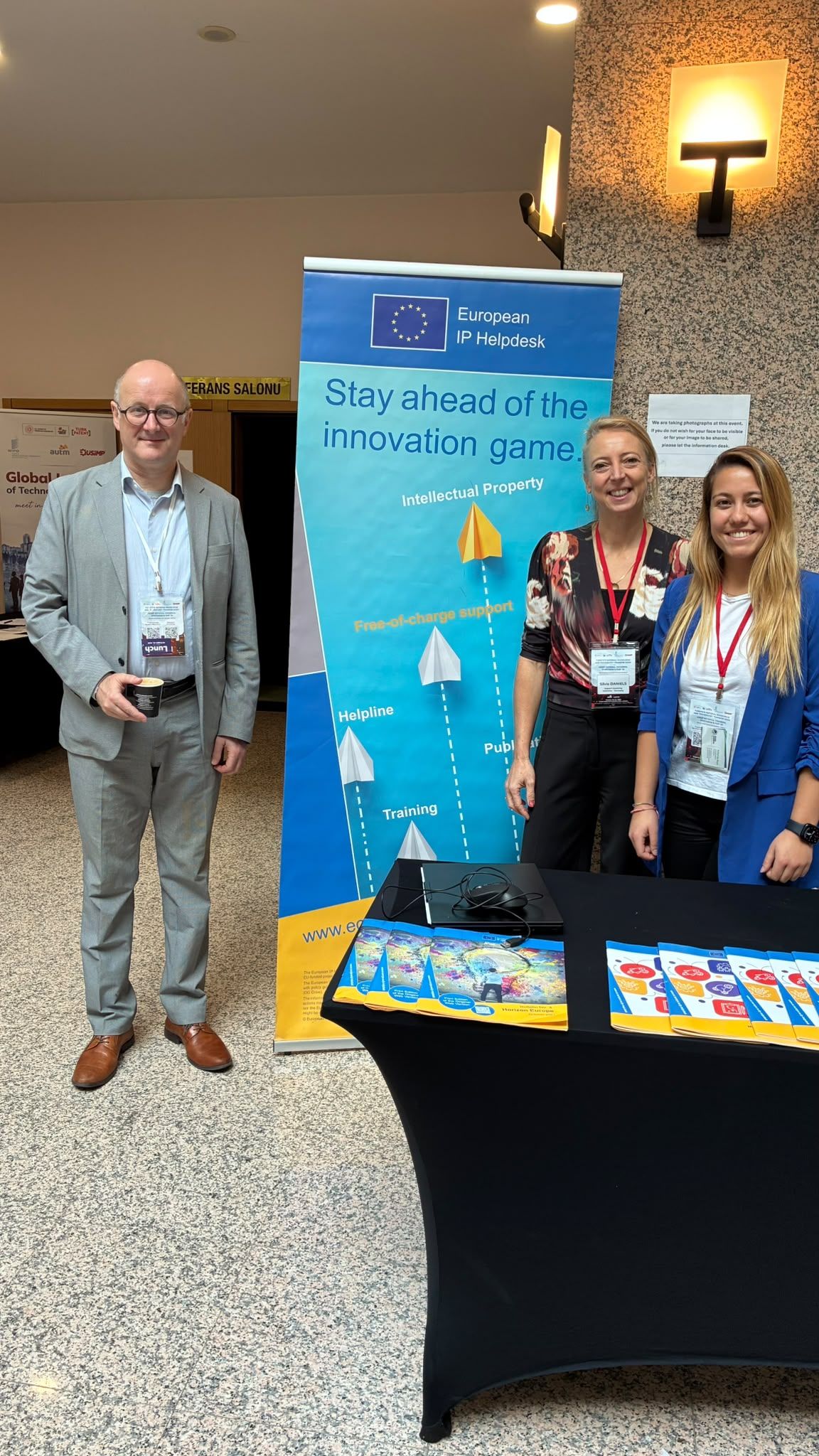
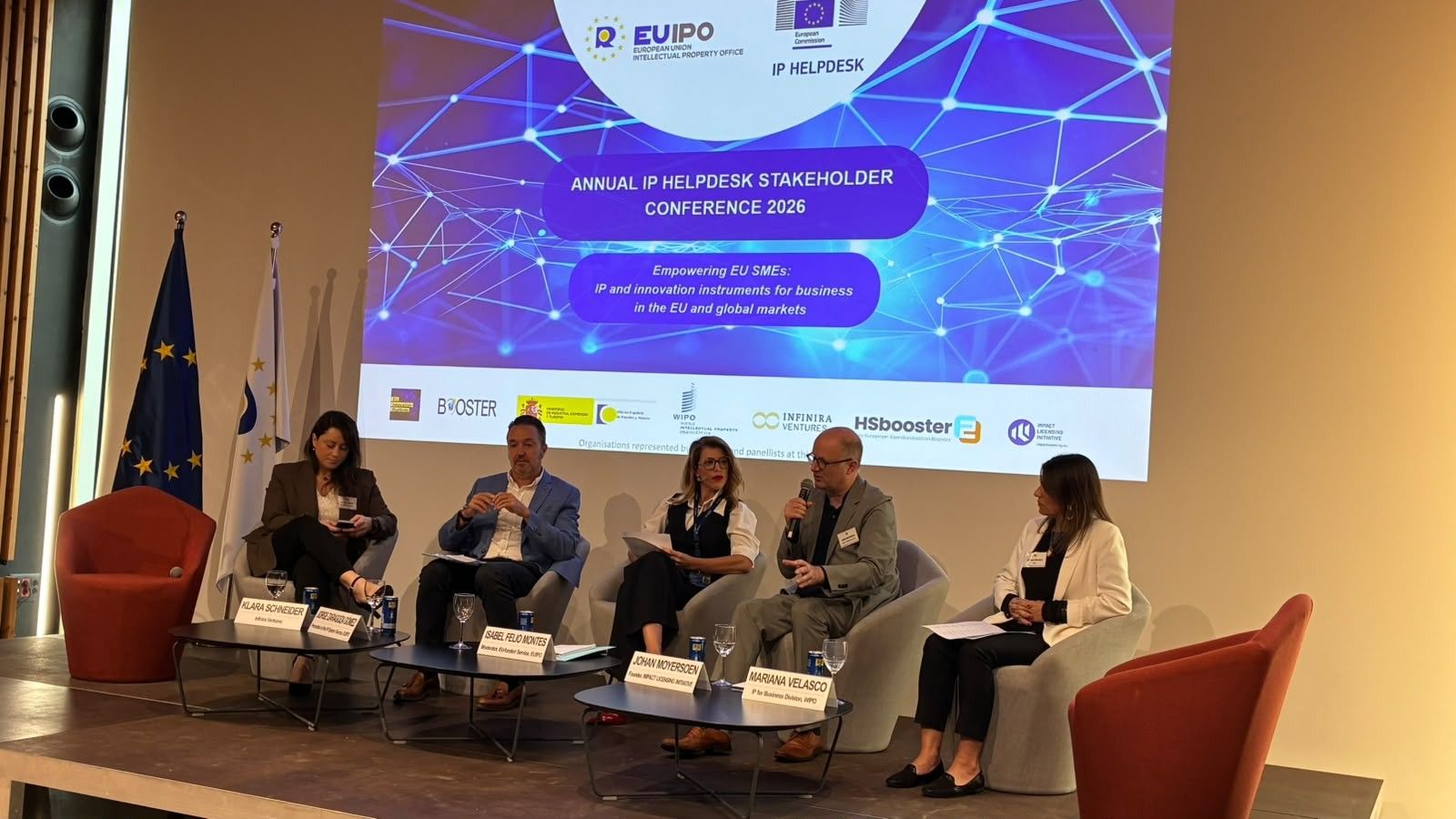
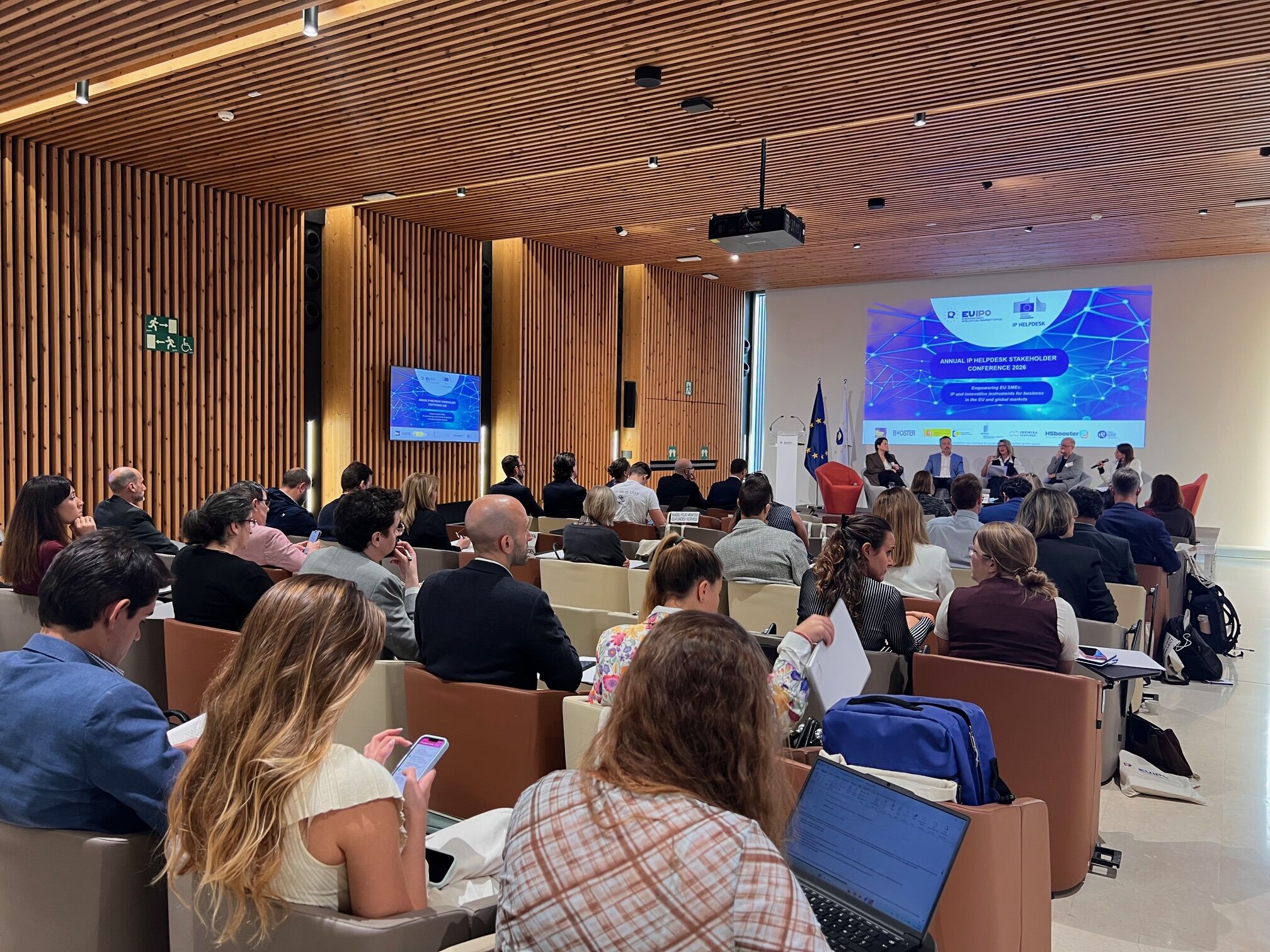
Bringing Impact Licensing into the IP and Investment Discussion in Alicante On 29 October, ILI joined the Annual IP Helpdesk Stakeholder Conference, hosted by the European Union Intellectual Property Office (EUIPO) in Alicante, Spain. The conference, entitled “Empowering EU SMEs: IP and Innovation Instruments for Business in the EU and Global Markets”, explored how intellectual property support services and innovation instruments can strengthen European SME competitiveness, commercialisation and internationalisation.
Johan Moyersoen contributed to the panel discussion “Financing, Investment and Internationalisation Opportunities for SMEs, Innovators and Research-Based Ventures”, alongside representatives from EUIPO, INFINIRA Ventures and the World Intellectual Property Organization (WIPO). The discussion examined how intellectual assets can support access to finance, strategic partnerships and international business development, while also considering the role of innovative licensing approaches in creating value from research and technology. The exchanges also emphasised that successful technology transfer requires more than protecting an invention. Access to finance, market knowledge, suitable partners, appropriate contractual arrangements and local implementation capabilities all play an important role in translating innovation into practical applications.
Building Momentum for Impact-Oriented Technology Transfer Across the three events, a common theme emerged: unlocking the full potential of research and innovation requires collaboration, appropriate licensing frameworks and a shared commitment to creating value beyond commercial returns. For the Impact Licensing Initiative, these exchanges provided opportunities to expand international connections, engage with technology owners, strengthen the emerging TT4I Network and explore new collaborations that can support the responsible deployment of innovative technologies. They also demonstrated the growing relevance of impact licensing within wider discussions on knowledge valorisation, intellectual property management, investment and sustainable development.
As ILI continues to develop its activities and partnerships, the focus remains on connecting promising technologies with societal needs and creating practical pathways for responsible, sustainable and impactful technology transfer.